Bookmarked probably thirty different life-hack articles over the years. Maybe three ever turned into an actual habit, if I’m being honest. That’s the real problem with most self-improvement content. Not that the advice is wrong. Nobody explains how to actually use it. BetterThisFacts tips from BetterThisWorld take a different angle, short entries built for five or ten minutes of reading, not a five-thousand-word deep dive nobody finishes. Content matters less than what you do after closing the tab, in my experience anyway. Going through how these tips are structured below, how to check what’s actually worth trusting, and a method for turning a short read into something that sticks.
What Makes BetterThisFacts Different From a Typical Self-Help Blog
Most self-help content falls into one of two traps. Either it’s a thin, recycled listicle with nothing underneath, or it’s a thirty-plus-minute academic read that’s technically accurate but useless if you’re just trying to fix your sleep schedule tonight. BetterThisFacts sits in between, deliberately. Productivity, health and mindset, finance, learning strategies, entries built to read fast and apply immediately, not get filed away for someday.
Content spans practical stuff. Sleep hygiene, stress management. Budgeting, automated savings. Memory techniques, active listening. Time blocking, habit stacking. Format’s the actual point here, honestly. Instead of three or four pages of blue links you sift through for one useful sentence, each entry aims for a single actionable takeaway, no padding.
What topics does BetterThisFacts actually cover? Practical, everyday categories mostly, productivity, health and wellness basics, personal finance, learning strategies. Not niche or technical subjects. Entries stay short and specific, single-takeaway pieces rather than sprawling guides, which suits someone wanting a quick usable tip over a long theoretical one.
How to Verify a Tip Before Actually Trusting It
Not every piece of advice deserves the same trust, true regardless of source, BetterThisFacts included. Basic rule I apply to any fact-based content, health advice especially, check it against a primary source before making a real decision off it. Government health agencies for medical claims. Financial institutions or a certified financial planner for money advice. Takes minutes, saves real mistakes down the line.
Healthy skepticism doesn’t mean distrust across the board. Just a habit of noticing when a claim sounds oddly specific or sensational without any backing behind it. If a tip references a study or statistic, you should be able to trace that back to something concrete, not just accept it because it sounds authoritative. Applies to any curated platform, not a knock on one source specifically.
How do you know if BetterThisFacts tips from BetterThisWorld are actually reliable? Cross-check anything health or finance related against a primary source, a doctor, a certified financial planner, a government agency, before treating it as final. General productivity and learning tips carry lower stakes, usually fine to test directly rather than needing outside verification first.
Turning a Short Tip Into an Actual Habit
Most people lose the thread right here. Read a tip, nod along, never actually do anything with it. Pick one category at a time, not five. Commit to a single tip instead of overhauling your whole routine in one weekend. Trying to fix sleep, spending, and focus all at once, that’s exactly how most attempts collapse within a week, seen it happen constantly.
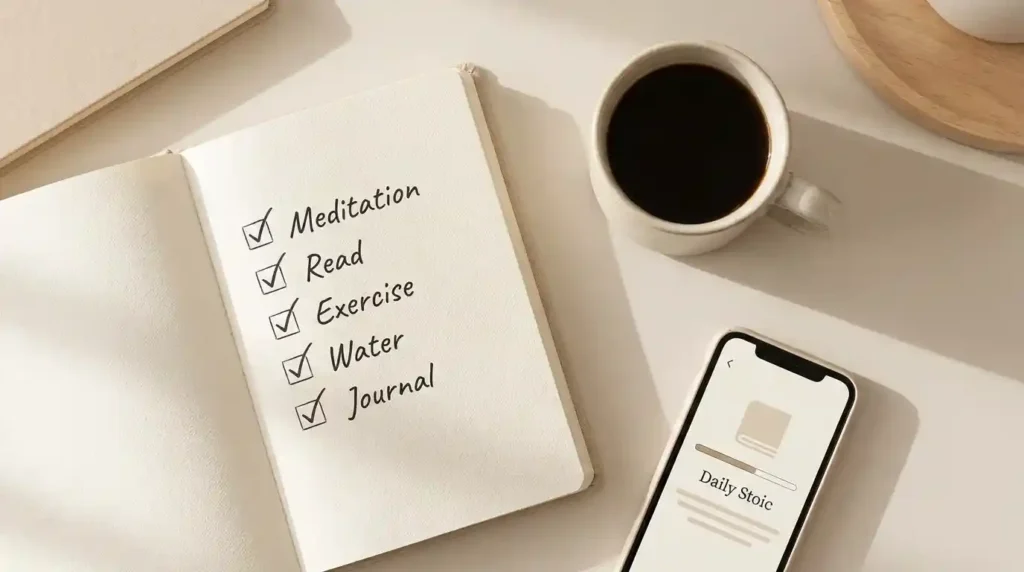
Habit stacking works well, attaching a small new action onto something you already do daily. Morning coffee’s the classic anchor, already consistent, no new trigger to remember. Give any tip at least a week before deciding if it’s working. A couple of days rarely tells you anything real, whether it’s sticking or just feels novel still.
Best way to actually apply these tips instead of just reading them? Choose one, attach it to an existing daily habit, give it a full week minimum before judging results. Testing several at once almost always backfires. Juggling multiple new habits simultaneously is a common reason people drop all of them within days, not just one.
Avoiding Information Overload While Still Learning
Reading too much self-improvement content becomes its own obstacle, ironically. A kind of decision fatigue where every new tip feels urgent and none of them get properly tested. Part of why short-form, curated content works better for a lot of readers than long theoretical articles. Less scrolling through filler. More room to actually sit with one idea before moving to the next one.
A simple weekly review helps. Five minutes, note what you actually tried that week, whether it stuck. Beats passively consuming new tips daily without ever circling back to check. That reflection step, genuinely, is the difference between information you’ve read and a habit you’ve built. Costs almost nothing compared to how much time gets burned just scrolling for the next tip.
Conclusion
BetterThisFacts tips from BetterThisWorld work best as a starting point, not a finished plan. Short entries meant to be tested, adjusted, kept or dropped based on what actually fits your life. Verify anything health or finance related against a real primary source. Pick one habit at a time. Give it a genuine week before judging the result. That process matters more than which specific tip you start with, and honestly it’s the whole difference between a bookmark that sits unread and a habit that actually changes something.
FAQs
What is BetterThisFacts and how is it different from other self-help sites?
BetterThisFacts is a content initiative under BetterThisWorld offering short, plain-language tips across productivity, health, finance, and learning, designed for quick reading rather than long theoretical deep dives. The format focuses on single actionable takeaways instead of dense, filler-heavy articles.
Are BetterThisFacts tips backed by real research or professional advice?
Some entries reference broader research trends, but readers should still cross-check health and financial claims against primary sources like government health agencies or a certified financial planner. General productivity and learning tips carry lower risk and can typically be tested directly without requiring outside verification.
How long should I test a new habit before deciding if it’s working?
At least a week is a reasonable minimum, since a couple of days rarely reveals whether a habit is genuinely sticking or just feels new and exciting. Some habits, especially ones tied to sleep or spending patterns, may need several weeks before the real impact becomes clear.
What’s the best way to avoid feeling overwhelmed by too much self-improvement content?
Focus on one category and one tip at a time instead of trying to absorb everything at once, since juggling multiple new habits simultaneously is a common reason people abandon all of them. A short weekly review of what you actually tried helps turn passive reading into real progress.
