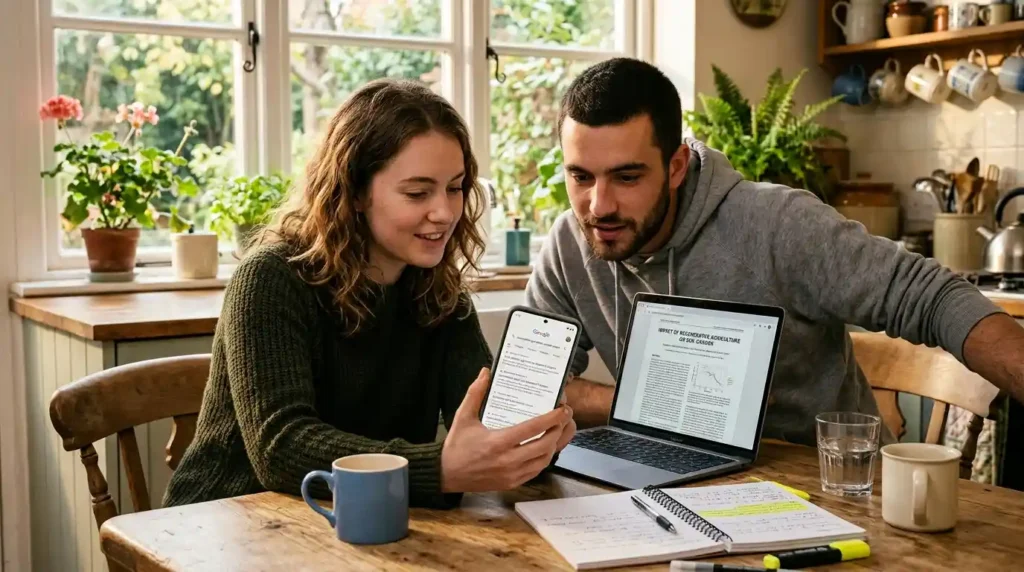
My sister sent me a BetterThisFacts link a few weeks back, some quick stat about habit formation she wanted to use in a presentation at work. She asked if it was safe to cite directly. I didn’t know the site well enough to say yes confidently, so we spent twenty minutes digging into it together before she used anything. That digging turned out more useful than the original fact itself honestly. This piece covers what BetterThisFacts information by BetterThisWorld generally offers, and more importantly, how to actually check a specific claim before repeating it somewhere that matters.
What BetterThisFacts Information by BetterThisWorld Actually Covers
The site positions itself as a general knowledge hub, short facts and practical tips spanning health, productivity, technology, and everyday life topics rather than focusing narrowly on one subject. My sister’s habit-formation stat fell into that broad productivity-and-personal-development bucket, which seems to be one of the site’s more common categories based on what else showed up alongside it.
Content runs short by design, quick explainers rather than long-form research pieces. That format works fine for a passing read, though it also means individual claims often show up without much surrounding context, exactly the situation my sister ran into. A single number, habit formation taking roughly some number of days, with limited detail on which specific study that figure actually traced back to.
What Kind of Content Does BetterThisFacts Cover?
Mostly short, practical facts and tips across a wide range of everyday topics, health, productivity, technology, and general knowledge among them. My sister’s specific find was a personal-development stat, which tracks with what seems to be one of the site’s more frequently covered categories. Coverage breadth is genuinely wide though, which means depth on any single topic can vary a lot from one piece to the next.
Why I’d Verify a Claim Before Repeating It
My sister’s stat sounded plausible on its face, that’s honestly part of what made it worth double-checking rather than less. A number that sounds too outrageous gets scrutinized automatically. A number that sounds reasonable slips through unchallenged more often, which is exactly the trap she almost fell into before asking me first.
We ran her specific habit-formation figure through a couple of independent searches, and the number itself does show up in legitimate behavioral science research elsewhere, though the original study behind it studied a narrower group than the blanket claim on the page implied. That distinction, a real number stretched slightly beyond what the underlying research actually supports, is a pretty common pattern across a lot of general content sites, not unique to this one specifically.
How Do I Verify a Fact From BetterThisFacts Independently?
Search for the specific number or claim alongside terms like “study” or “research” to see if it traces back to something you can actually locate yourself. My sister’s habit stat did lead back to real research once we searched independently, though the framing on the original page had smoothed over some nuance the actual study included. Cross-checking against a second source before citing anything in a professional context, a presentation, a report, an article, is worth the extra few minutes it takes.
Where This Kind of Site Is Genuinely Useful
For casual reading or a starting point before deeper research, content like this works reasonably well, my sister’s original discovery is a decent example of that. She wouldn’t have known to look into habit formation research at all if the quick fact hadn’t caught her attention first, so it served a real purpose even though she ultimately needed to verify it independently before using it seriously.
Treating a site like this as a starting point rather than a final source seems like the reasonable approach generally. It’s a way to discover a topic worth researching further, not necessarily a citation-ready source on its own, at least not without the kind of check my sister and I did before she used anything in an actual work presentation.
Is BetterThisFacts a Reliable Source to Cite Directly?
For casual use or personal curiosity, probably fine as a jumping-off point. For anything professional or anywhere accuracy genuinely matters, a presentation, an article, a report, verifying the specific claim against an independent source first is the safer approach. My sister’s experience is a decent example of why, the underlying number was real, but the framing around it needed a second look before she trusted it enough to actually use in front of colleagues.
A Few Signs Worth Watching For
Vague sourcing is probably the biggest flag worth watching for on any general content site, not this one exclusively. A claim citing “research shows” without naming which research specifically makes independent verification a lot harder than it needs to be. My sister’s page had this exact gap, the number itself checked out eventually, but finding the actual source took real digging rather than a simple click-through.
Overly broad claims applied to everyone are worth a second look too. Her habit-formation figure, once we found the original research, actually applied to a specific study population under specific conditions, not a universal rule that applies identically to every person reading the page. That kind of quiet overgeneralization is easy to miss on a quick read and easy to catch once you actually go looking for the source.
Conclusion
BetterThisFacts information by BetterThisWorld works reasonably well as a starting point for discovering a topic, based on what my sister and I actually dug into together. It’s not automatically citation-ready for anything professional though, the specific claim she found needed independent verification before she trusted it enough to use in a real presentation. Treat quick-fact content like this as a lead worth chasing rather than a final source, check vague sourcing against something you can actually locate yourself, and watch for broad claims that might be quietly overstating what the underlying research actually found.
Frequently Asked Questions
Is BetterThisFacts a legitimate source of information?
It functions as a general knowledge and tips content site, and specific claims can trace back to real research, based on what turned up when checking one example independently. Treating it as a starting point for further research rather than a final, citation-ready source is the more reasonable approach for anything that actually matters.
How do I know if a fact from a general knowledge site is accurate?
Search for the specific claim or statistic alongside terms like the study name or “research” to see if it leads back to something independently verifiable. If a page cites “studies show” without naming the specific research, that vagueness is worth treating as a signal to dig deeper before repeating the claim anywhere important.
Can I cite BetterThisFacts in a school or work presentation?
It’s safer to trace a specific claim back to its original source and cite that instead, rather than citing a general content site directly. This extra step generally takes only a few minutes and meaningfully reduces the risk of repeating an overstated or out-of-context claim in a professional setting.
What topics does BetterThisFacts typically cover?
Coverage spans a wide range of everyday topics, including health, productivity, technology, and general knowledge, rather than focusing narrowly on one subject area. This breadth makes it a reasonable place to stumble onto new topics, though depth and sourcing quality can vary noticeably from one piece to the next.

1 thought on “BetterThisFacts Information by BetterThisWorld: 5 Things to Check Before You Trust a Claim”